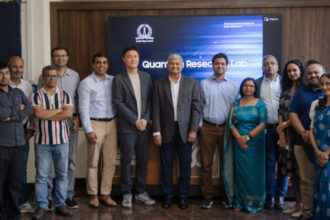



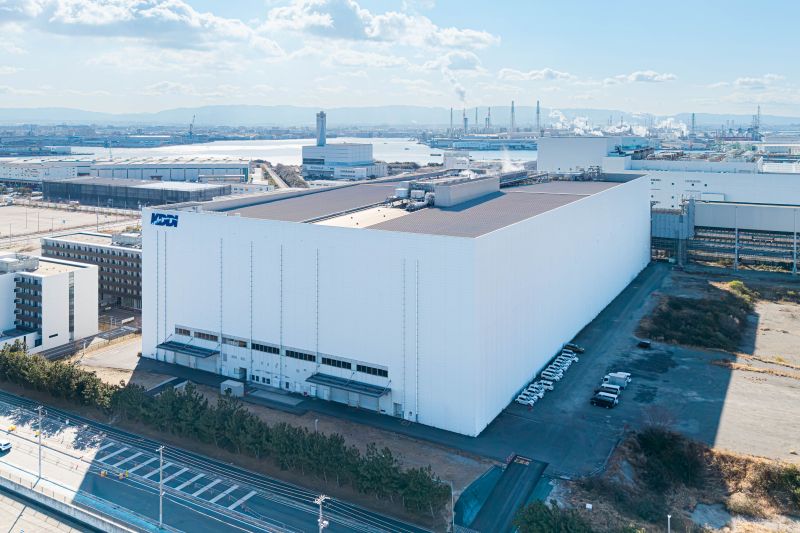
Nokia and Japan’s KDDI Corporation announced that they have demonstrated quantum-safe optical transport capabilities at KDDI’s new Sakai Data Center, a next-generation facility designed to support advanced AI workloads.
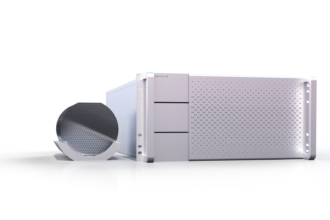
Using Nokia’s optical technologies – 1830 Photonic Service Switch (PSS) with C+L Band and 1830 Security Management Server (SMS) – KDDI validated the delivery of AI-ready infrastructure with at-speed quantum safe encryption across KDDI’s distributed data centers.

“This groundbreaking initiative sets a new benchmark for advanced AI-ready data center connectivity. As KDDI continues its quantum-safe, AI-ready data center infrastructure build out, our partnership will deliver secure and scalable digital services in Japan and beyond. Nokia’s optical transport solutions meet the demands of modern AI workloads by delivering trusted performance, while at the same time reducing cybersecurity risks, protecting critical AI data in flight for enterprises, governments, and critical infrastructure providers,” said Ron Johnson, Senior Vice President and General Manager, Optical Networks, at Nokia.
“High levels of security and performance are essential for the communications infrastructure that underpins AI. Nokia’s optical transport solutions are a perfect fit for these requirements and were instrumental to the success of this demonstration. As AI data centers are deployed in a distributed manner across Japan, we will continue to work closely with Nokia to advance the development of cutting-edge quantum-safe, and resilient networks that seamlessly connect these facilities,” said Tetsuo Mukai, General Manager, Access Network Technical Division, KDDI.